
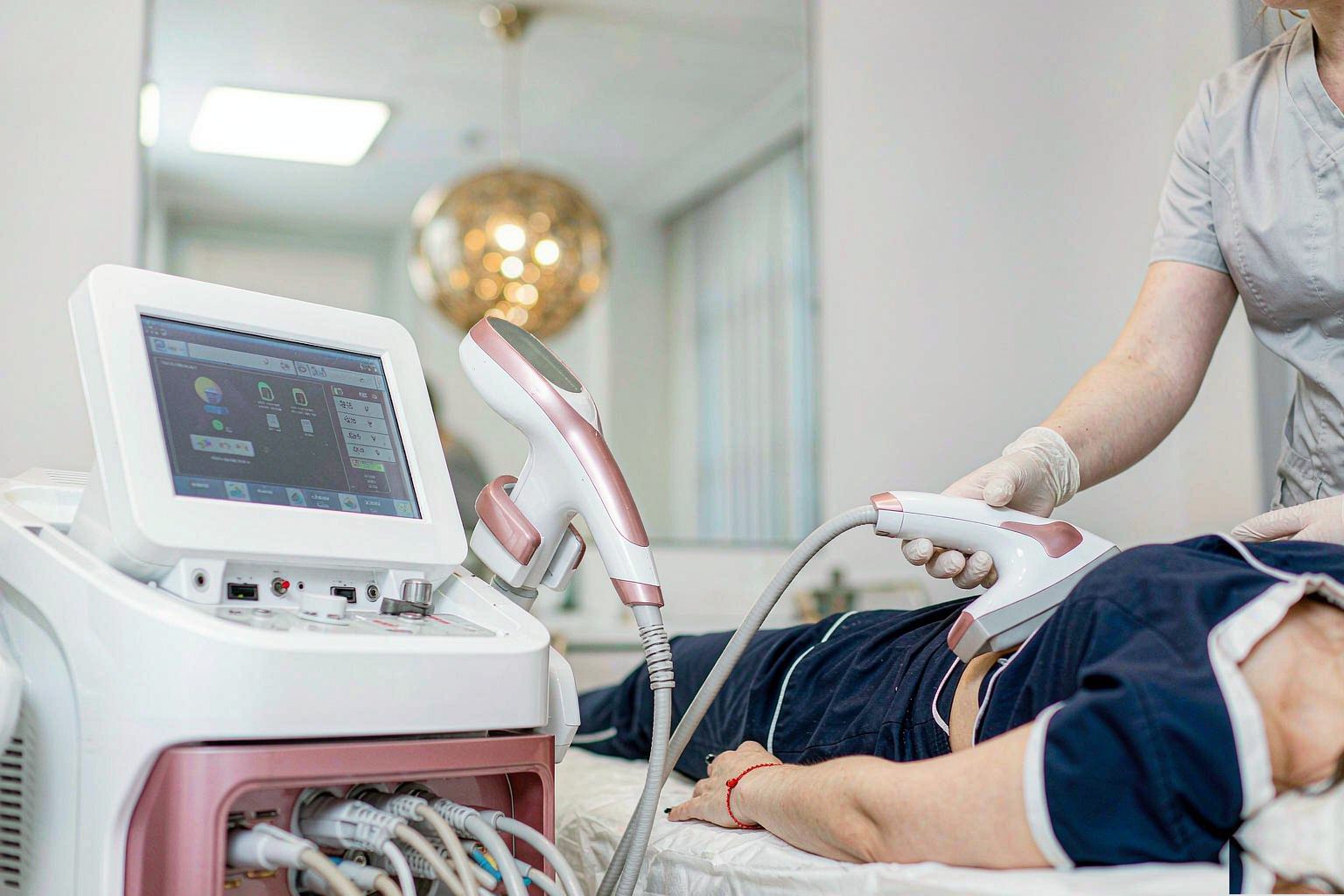
Body contouring has split into two camps over the last few years. One side is invasive, expensive and tied to a surgeon’s schedule. The other side sits in a treatment room, plugs into a standard wall outlet and lets a spa owner start offering sessions the same week the machine arrives. Ultrasonic cavitation belongs firmly in the second camp, and that is the main reason it shows up on so many equipment shortlists.
For a distributor or clinic owner, the appeal is obvious. The devices are cheaper than surgical alternatives, the training curve is short and clients can walk straight back to work after a session. This article explains how the technology actually works, where it fits against other body contouring options and what to check before you spend money on a machine.
What Is Ultrasonic Cavitation?
Ultrasonic cavitation uses low-frequency ultrasound to break down fat cells without surgery, heat or needles. A handpiece is moved over the treatment area and sends sound waves through the skin into the layer of fat underneath.
Those sound waves create tiny bubbles inside the tissue fluid. Each bubble forms, grows and then collapses in a fraction of a second. When a bubble collapses it releases a small shock wave, and enough of those shock waves in one spot weaken the membrane of nearby fat cells until the cells rupture.
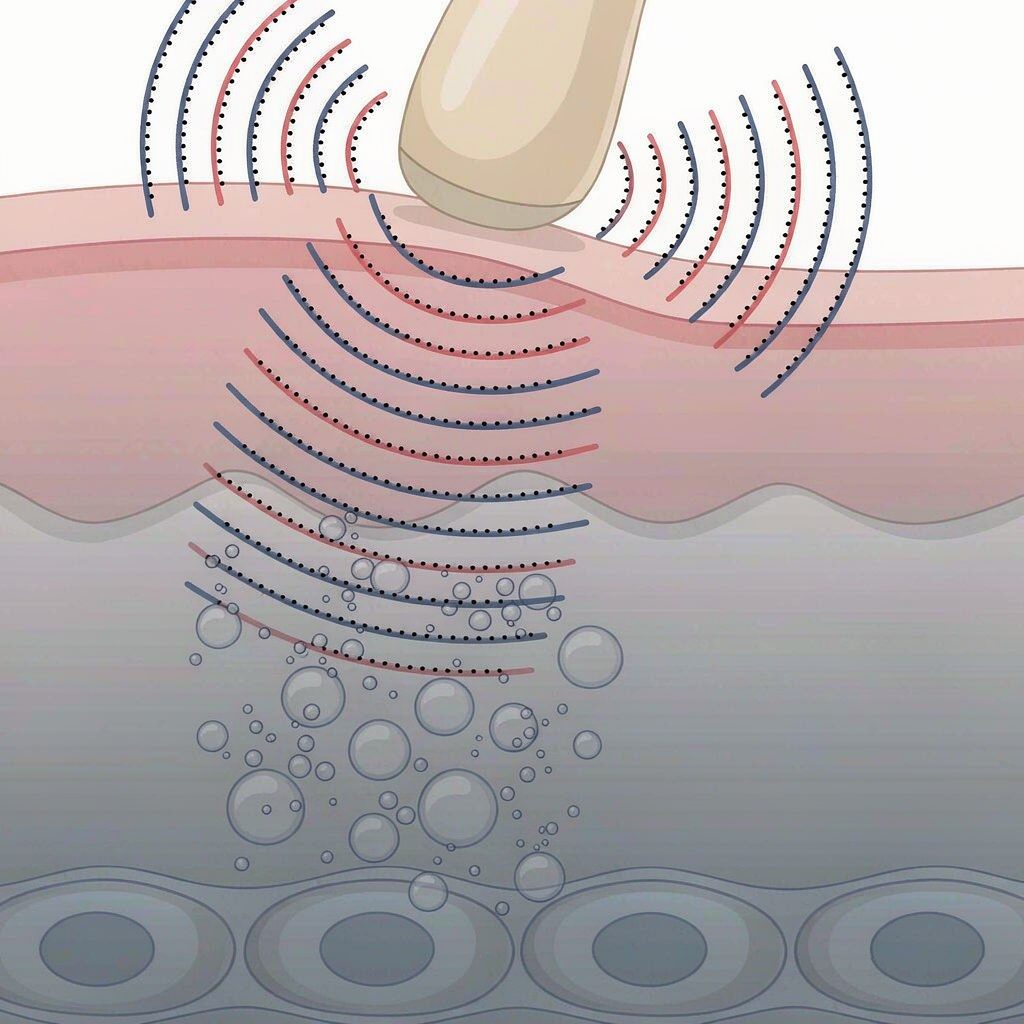
The fat then escapes as glycerol and free fatty acids. The lymphatic system collects this material and the liver processes it, which is why every responsible manufacturer tells clients to drink water after a session. Water keeps the lymphatic flow moving and helps the body clear the released fat.
One point deserves emphasis early, because it is the most common misunderstanding in the category. Cavitation is a shaping treatment, not a weight loss treatment. It targets pockets of stubborn fat on people who are close to their target weight. It will not replace diet and exercise for someone carrying a large amount of excess weight.
How a Cavitation Machine Works
The machine itself is straightforward. A central control unit drives one or more handpieces, and the operator spreads a thin layer of ultrasound gel on the skin and moves the handpiece in slow circles over the target area.
Frequency is the number that matters most. Most machines operate at 40kHz, which has become the industry default because it penetrates to the right depth for subcutaneous fat. Power output usually lands in the 40W to 60W range per handpiece. Higher power lets an operator finish a session faster, but it also demands more control to avoid discomfort, so the two numbers should be read together rather than in isolation.
A single session runs 20 to 40 minutes depending on the area. A full course is typically 6 to 12 sessions spaced two or three days apart. Results are not instant. Most people notice a change after the third or fourth session, and the visible difference tends to peak two to three weeks after the course ends, once the body has had time to clear the released fat.
That timing is worth telling clients upfront. It sets expectations and stops people from judging the machine by what they see in the mirror the day after one visit.
Cavitation vs Other Body Contouring Technologies
Body sculpting equipment splits into a few families, and buyers often compare them side by side. Here is where each one sits.
Cryotherapy cools fat until the cells crystallize and die, a slower process that suits pinchable areas like the abdomen and flanks. We covered how it works and what to check before buying in a separate article on cryotherapy machines.
Laser lipo uses heat to destroy fat and can tighten the skin a little in the process. It works but brings a thermal risk that requires careful operator training.
Radiofrequency is mainly a skin tightening technology. It does reduce some fat but its real strength is firming, so it is often sold alongside other methods rather than as a standalone fat treatment.
EMS stimulates muscle with electrical impulses. It builds tone, it does not remove fat, and mixing the two up is a common buying mistake.
Cavitation sits apart because it uses mechanical energy instead of heat. That removes the burn risk, keeps the treatment comfortable and means there is no recovery time. For a small or mid-sized spa building a non-invasive menu from scratch, cavitation is usually the cheapest and simplest first step, which is why it remains a popular entry point.
Key Features to Look For
When you compare machines, work through a short checklist rather than getting lost in marketing copy.
Frequency and power. Confirm the machine runs at 40kHz and check the wattage per handpiece. These two figures tell you how deep and how hard the treatment goes.
Number of handpieces. More handpieces let one operator treat two areas at once or run two clients on one machine. It is a real throughput gain for a busy clinic.
Multi-function capability. A large share of the market now sells cavitation bundled with RF, vacuum and sometimes laser in a single unit. These all-in-one machines give you a wider menu in one purchase. Just be aware that more functions mean more to maintain and more training for staff, so a first-time buyer should not chase every feature at once.
For a concrete example, our 10 in 1 ultrasonic cavitation machine packs cavitation, RF and vacuum into a single console with 100W output and CE certification. It is one of the most requested models for new clinics because it covers face and body from one device.
Safety features. Over-temperature protection and automatic shutoff are the minimum you should expect. They protect both the client and the machine.
Certification. Look for CE, ISO, RoHS and FCC marks. These are the baseline signals that a manufacturer has passed the usual safety and compliance checks, and they matter if you plan to resell into regulated markets.
Warranty and support. Ask about the warranty period and whether the supplier provides training material and after-sales technical support. A cheap machine with no backup becomes expensive the first time something needs fixing.
Safety & What to Expect
Cavitation is low risk when it is used on the right people. The standard exclusions are pregnancy, pacemakers and implanted metal, heart conditions, and liver or kidney disease. Operators should screen for these before the first session.
Side effects are mild and short-lived. The treated area can look slightly red for an hour or two. Some clients feel thirsty, which is expected given how the body clears the released fat. Mild numbness is possible and fades quickly.
The honest message to clients is that cavitation suits localized fat on someone with decent skin elasticity. It is not an answer to obesity, and it works best when paired with a normal diet and regular exercise. Saying that clearly builds more trust than overpromising, and returning clients are what keep a treatment menu profitable.
Choosing a Manufacturer
The last decision is who you buy from, and it changes your long-term margins more than the headline price of the machine.
First, find out whether you are dealing with a factory or a trading company. Working directly with a manufacturer usually means better pricing, faster lead times and the ability to request changes, which brings us to the next point.
Ask about OEM and ODM. If you want your own brand on the device or a specific color and design, you need a supplier who can do custom production, not one who only resells finished stock.
Check the certifications we listed above and ask for copies. A supplier who cannot show them on request is a warning sign.
Finally, confirm the after-sales picture before you pay. A solid warranty, operator training material and a responsive technical contact are worth more in the long run than a slightly lower unit price.
FAQ
How many sessions does cavitation take to show results?
Most people see a visible change after three to six sessions. A full course is usually 6 to 12 sessions spaced a few days apart, and the best results show two to three weeks after the course finishes.
Does ultrasonic cavitation hurt?
No. Most clients describe it as a warm, slightly tingly sensation. There is no heat, no needles and no downtime, and you can return to normal activity straight after a session.
Is cavitation the same as weight loss?
No. It breaks down localized fat cells for body shaping. It is designed for people near their target weight, not as a replacement for diet and exercise.
How is cavitation different from cryotherapy?
Cryotherapy destroys fat by freezing it, while cavitation uses sound waves to rupture fat cells. Cryotherapy suits pinchable areas, cavitation works across broader zones, and the two are often sold together in a single clinic menu. See our cryotherapy machine guide for a full comparison.
What should I look for when buying a cavitation machine?
Focus on 40kHz frequency, power per handpiece, the number of handpieces, safety features like over-temperature protection, and CE / ISO / RoHS / FCC certification. Then confirm OEM/ODM options and after-sales support before you buy.
Can cavitation be combined with other treatments?
Yes. It is frequently paired with radiofrequency for skin tightening and with cryotherapy for a broader body contouring menu. Many machines bundle these functions into one unit.
Ready to add ultrasonic cavitation to your clinic or product line? Take a look at our 10 in 1 ultrasonic cavitation machine, a 100W CE-certified unit for face and body, or contact our team for a full catalog, pricing and OEM/ODM options. You can also browse the rest of our body sculpting range.